The Midwest is one of the most distinctive glamping landscapes in North America. Great Lakes shoreline, hardwood forests, and prairie horizons. GlampTrail HQ tracks 485 stays across the region's constituent states (Illinois, Indiana, Iowa, Kansas, Michigan, Minnesota, Missouri, Nebraska, North Dakota, Ohio, South Dakota, Wisconsin).
U.S. Region
Midwest
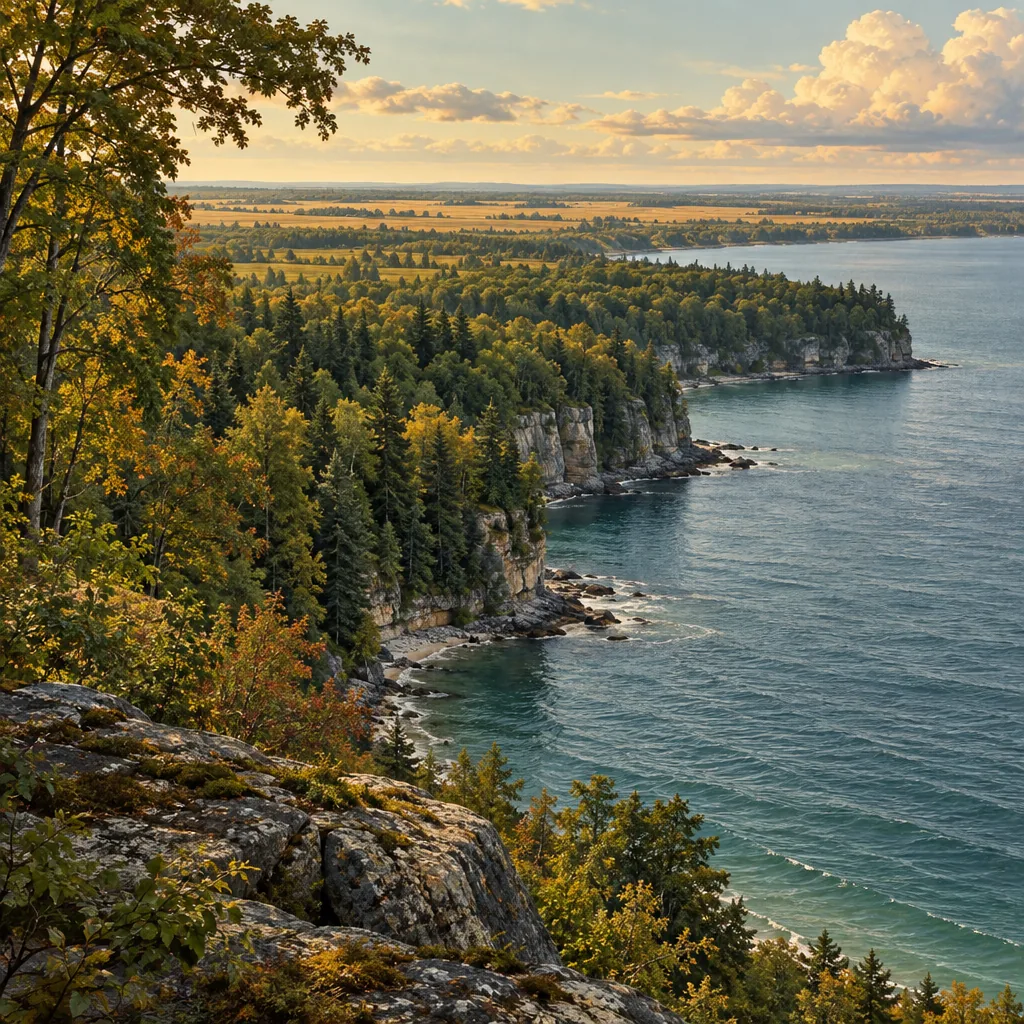
Great Lakes shoreline, hardwood forests, and prairie horizons.
Featured stays in the Midwest
Michigan
TriPonds Family Camp Resort
Kansas
CherryVale Park
Minnesota
Sun-Bay Mobile Court and Camping
Missouri
Lazy Liz Horse & RV Campground
Michigan
Shelter #5 (Greenbush Kettle)
Michigan
Shelter #3
Minnesota
Iron Trail RV Park & Campground & Laundry
Michigan
Shelter #4 (Parnell Trail)
Michigan
Historic Marble Springs
Michigan
Magnus Park
Ohio
Bee Run Campground
Ohio
Lake O'Pines Campground
Nebraska
Church Grove
Nebraska
Ta-Ha-Zouka Park Campground
Missouri
Big Spring Campgrounds
Illinois
Bay Creek Campsite
Illinois
Demumbers Bay Backcountry Area & Boat Ramp at Land Between The Lakes
Indiana
Camp Redwing
Michigan
Shelter #2
Minnesota
River Terrace Park
Michigan
Shelter #6
Iowa
Wakan
Iowa
Chanotedah
Iowa
Staff Quarters
Iowa
Hopi
Iowa
Zuni
Iowa
Chippewa
Iowa
Ottawa
Iowa
Fox
Iowa
Osage
Iowa
Sioux (West)
Iowa
Sioux (East)
Iowa
Piegan
Iowa
Pawnee
Iowa
Sac
Iowa
Kickapoo
Iowa
Mohawk
Iowa
Crow
Iowa
Oneida
Iowa
Onondaga
Iowa
Kiowa
Iowa
Iriquois
Iowa
Seneca
Iowa
Cayuga
Iowa
Navajo
Iowa
Inactive Campsite
Iowa
Staff Quarters
Iowa
Model Campsite
Ohio
Camp Ken-Jockety & Elam Environmental Center
Ohio
Camp Falling Rock Boy Scout Reservation
Minnesota
Two Rivers
Minnesota
Pine Ridge
Ohio
Alton RV Park
South Dakota
Mountain View Campground
South Dakota
Chris' Campground
Iowa
Cherry Glen Campground
Iowa
Acorn Valley Campground
Ohio
Camp Friedlander
Ohio
Cub Scout Adventure World
Ohio