Alaska is part of the Pacific Northwest glamping landscape. GlampTrail tracks 21 stays in Alaska, spanning a mix of stay types and elevations.
What Alaska glamping looks like
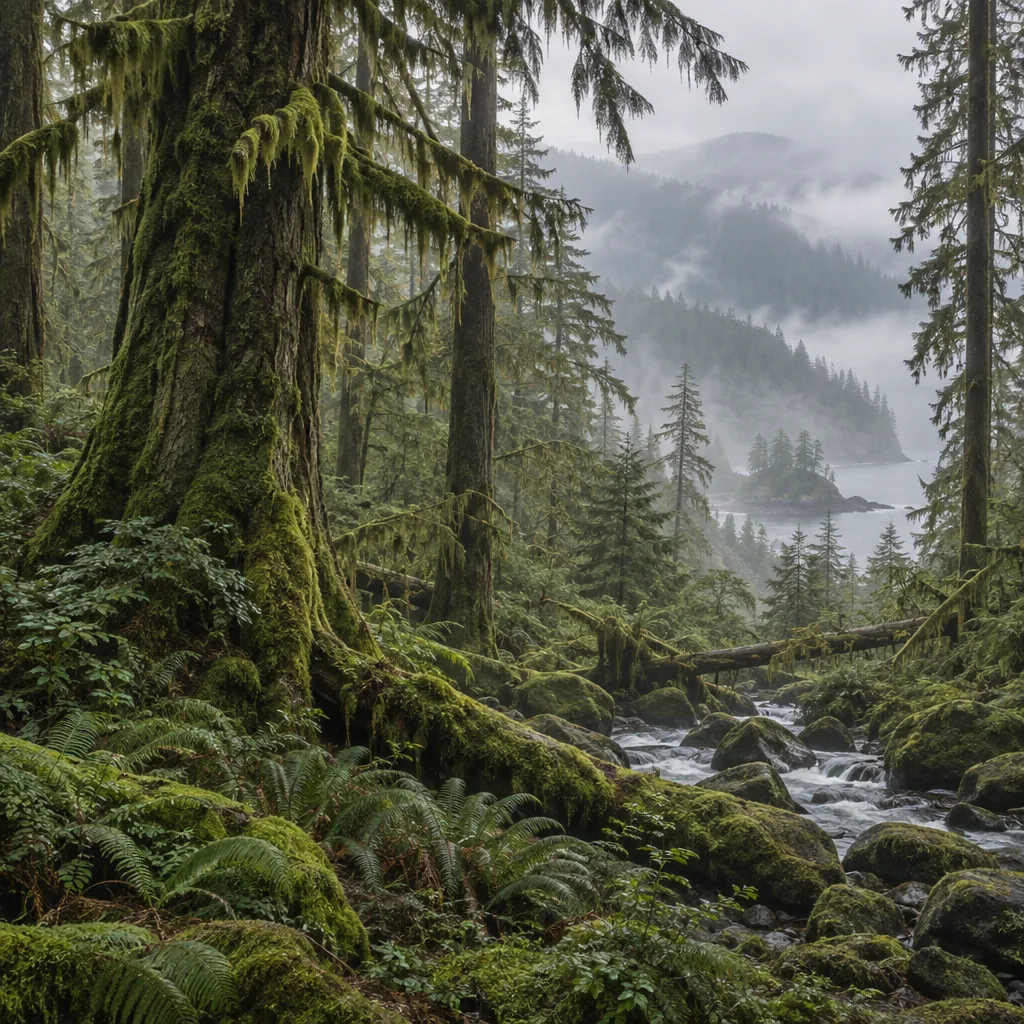
From the temperate rainforests of the Olympic Peninsula to the volcanic spine of the Cascades and the high desert east of the Cascade rain shadow, the Pacific Northwest contains a startling range of landscapes within a single region. Glamping properties here tend to lean into one of three settings: deep moss-and-cedar forest, working coastline with tide pools and driftwood, or open ranchland east of the mountains. The best stays place you among old-growth Douglas fir or Sitka spruce, where the canopy creates its own weather and the silence is dense rather than empty. Within Alaska specifically, the inventory tends to cluster around the state's signature outdoor destinations — its largest protected areas, its scenic byways, and the small towns that have developed visitor infrastructure to support multi-night stays. The state's glamping properties are typically small, owner-operated, and seasonal, which means inventory turns quickly during peak windows.
Best time to visit
May through October offer the driest weather; September is peak. The shoulder weeks on either side of peak season usually offer the best ratio of weather quality to crowd density, and pricing typically softens by 15–30% versus headline dates. If you have flexibility, target midweek nights in the shoulder window.
Amenities you'll find here
Expect rainproof construction, wood stoves or propane heat as standard even in summer (it gets cool quickly under canopy), and good kitchen setups for the cool damp evenings. Hot tubs and saunas are common. Within Alaska, expect operators to lean into whatever the state's defining outdoor attribute is — water access, mountain proximity, dark skies, or coastal frontage — and to design their amenity sets accordingly.
Pricing in Alaska
Mid-range stays book at $160–$320 per night; luxury treehouses and architect-designed cabins climb past $500.
Booking tips for Alaska
Book the Pacific Northwest as far ahead as you can for any peak window — operators here are small and often have only a handful of units. Confirm road access (especially for unpaved approaches), seasonal closure dates, and any minimum-stay requirements. Trip insurance is meaningful in this region given weather variability; consider a refundable rate if you're booking in a tight window. If you're flying in, the closest commercial airport is usually a 1–3 hour drive from the property; rent something with reasonable ground clearance for any stay that requires unpaved access.