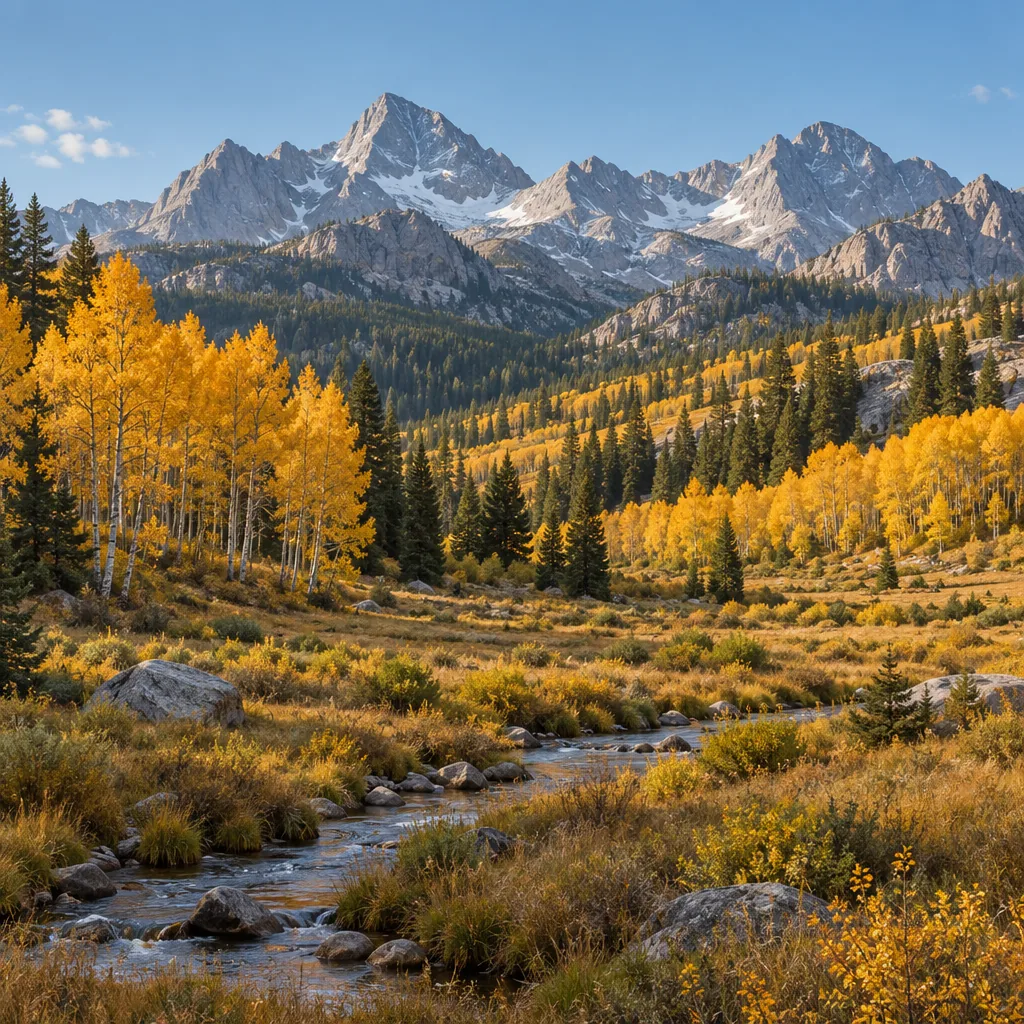
Montana is part of the Rocky Mountains glamping landscape. GlampTrail tracks 24 stays in Montana, spanning a mix of stay types and elevations.
What Montana glamping looks like
The Rockies are the spine of the West, and glamping here happens at elevation. Properties cluster in the high valleys — the Yampa, the San Luis, the Bitterroot, the Madison — and the experience is shaped by altitude, weather, and wildlife. Expect aspens, lodgepole pine, alpine meadows that bloom for six weeks and then go gold, and skies that turn theatrical with afternoon storm cells in summer. Wildlife is genuinely present rather than ornamental, which colors how operators design fire pits, food storage, and after-dark walking paths. Within Montana specifically, the inventory tends to cluster around the state's signature outdoor destinations — its largest protected areas, its scenic byways, and the small towns that have developed visitor infrastructure to support multi-night stays. The state's glamping properties are typically small, owner-operated, and seasonal, which means inventory turns quickly during peak windows.
Best time to visit
June through early October; high-elevation snow lingers into July. The shoulder weeks on either side of peak season usually offer the best ratio of weather quality to crowd density, and pricing typically softens by 15–30% versus headline dates. If you have flexibility, target midweek nights in the shoulder window.
Amenities you'll find here
Heat is non-negotiable at elevation, even in July. Expect wood stoves, propane heat, or radiant in-floor systems. Wi-Fi is sparse; cell service spotty. Many properties offer pack-out bear-aware food protocols. Within Montana, expect operators to lean into whatever the state's defining outdoor attribute is — water access, mountain proximity, dark skies, or coastal frontage — and to design their amenity sets accordingly.
Pricing in Montana
Summer alpine stays book at $180–$380; winter yurt access (often ski-in/ski-out) commands a 20–40% premium.
Booking tips for Montana
Book the Rocky Mountains as far ahead as you can for any peak window — operators here are small and often have only a handful of units. Confirm road access (especially for unpaved approaches), seasonal closure dates, and any minimum-stay requirements. Trip insurance is meaningful in this region given weather variability; consider a refundable rate if you're booking in a tight window. If you're flying in, the closest commercial airport is usually a 1–3 hour drive from the property; rent something with reasonable ground clearance for any stay that requires unpaved access.